50 Brutal Truths About Sim Racing
If you've been searching for real sim racing truths and tips — not the motivational fluff, not the gear-buying guides — this is the article. These are the things nobody tells you when you start, and the things most drivers actively avoid hearing even after years on track.
I made a video covering 50 of them. Below I've grouped the strongest ones into themes, because a list of 50 one-liners won't actually change how you drive. Understanding why they're true will.
Racecraft Truths: Why You Keep Getting Wrecked (and Wrecking Others)
Most people aren't deliberately bomb-diving you. You're just not defending properly. If a driver senses — even just smells — that you're afraid and can be pushed over, they will do it. You don't need to be aggressive to fix this. You just need your car's body language to say "you'll regret this." The best defense is the right position, taken early, without ever going side by side. What that position is, corner by corner, and how to attack a driver who has taken it, is the racecraft guide.
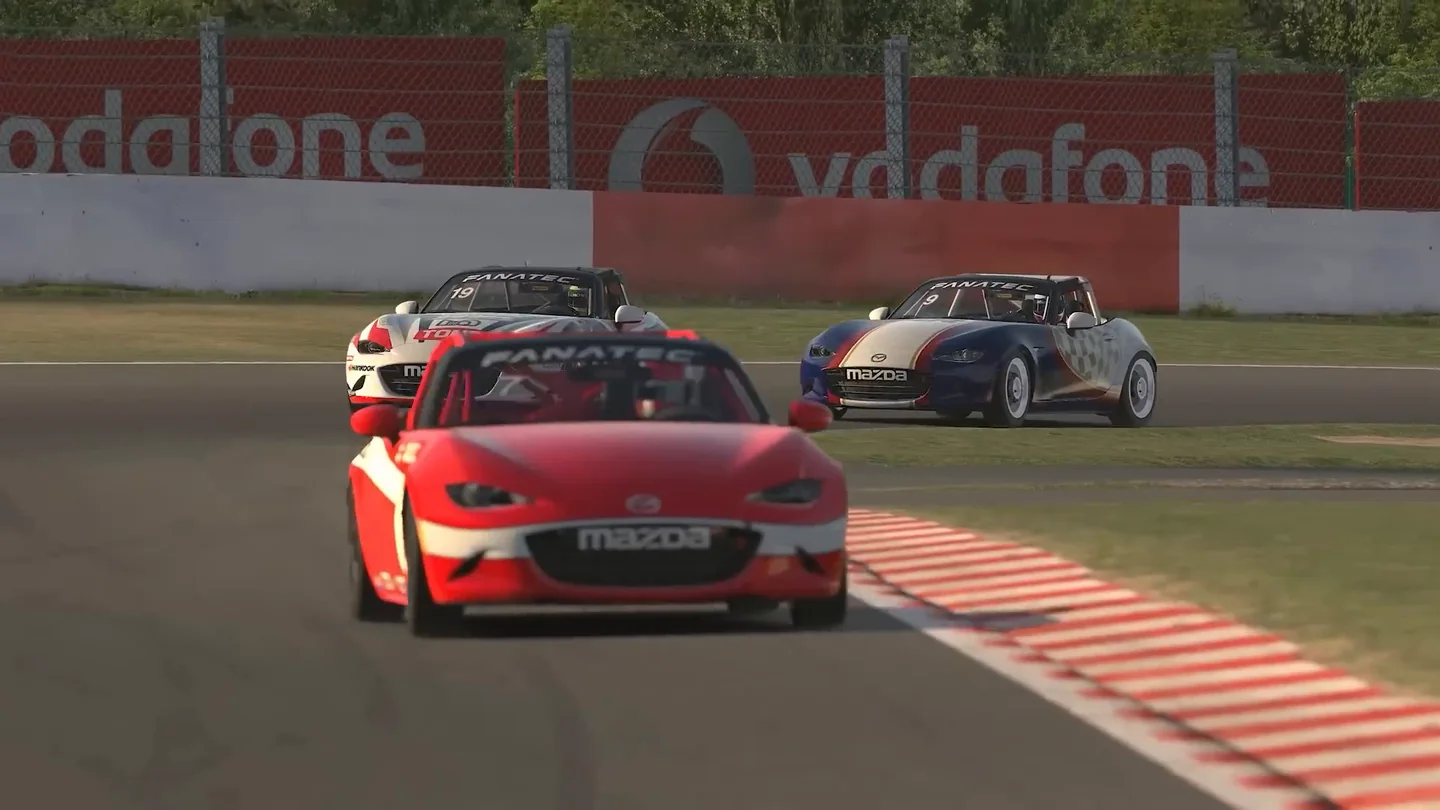
- Most incidents happen not from a lack of pace, but a lack of patience. Wait two more corners for a safer move. You'll win more battles over the race than you'll lose by waiting.
- Defending every corner like it's the last lap usually hurts your own race more than it helps. Every side-by-side fight costs you time — to the leaders, and to the pack behind you. Defend the ones that matter.
- A higher rating doesn't give you a free pass when overtaking lower-rated drivers. They have every right to defend hard. Don't let an iRating number cloud your judgment mid-race.
- Every overtake has a cost. Know when it's worth paying it.
- Calling something a "racing incident" doesn't make it any less your fault. It takes two to tango. Learn from it and move on.
- If the only way you win is when others crash, you're not ready to win yet.
- You can't call yourself a clean driver if you race dirty under pressure. It's easy to be clean when you have a big advantage. Pressure is when your real habits show.
Self-Awareness: The Hardest Truths to Accept
Being unlucky every race might just mean you have poor awareness or poor decision-making. Who's the common denominator in all those incidents? At some point, you have to take accountability — even for crashes that weren't your fault — because even then, there was something you could have done to avoid it.
This one still haunts me. What are the odds you're getting hit by a different driver in a different corner every single race? Drop the "I'm just unlucky" excuse. You can make your own luck.
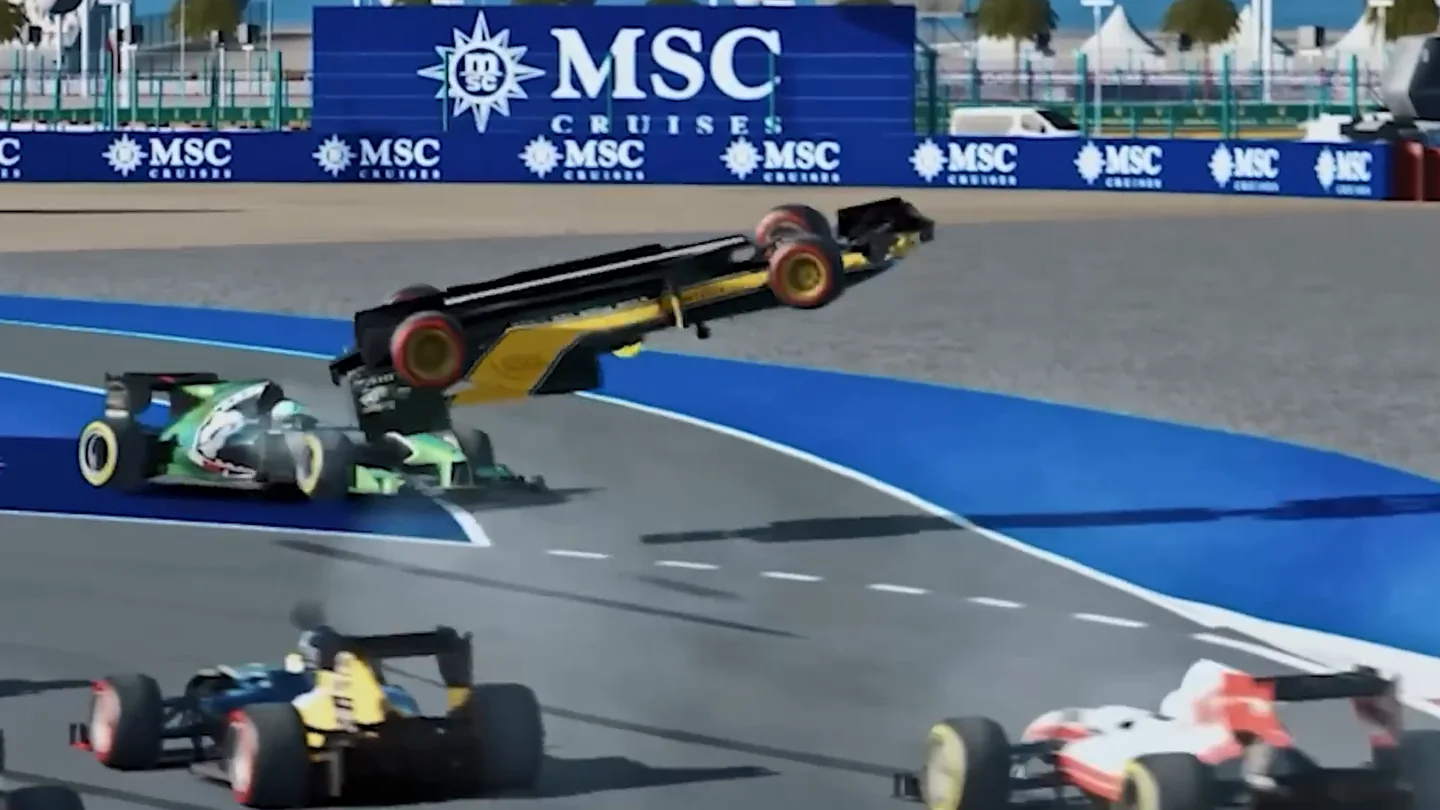
- Everyone watches replays when they get wrecked. Very few watch them when they wreck others. When was the last time you made a dumb move, watched it from three angles, and told yourself: "That wasn't called for. I'm learning from this"? If you can't remember, that's the gap.
- Good drivers get passed too — but they don't make it personal. Racing can be emotional, but racing emotionally rarely produces good results.
- You'll never fix a mistake you won't take ownership of. Full stop.
- If you can't describe what went wrong in a lap, improvement is unlikely. Learn the theory. Understand what grip means, where you lose or gain time, and why — or you're just driving blind.
- Getting mad after every mistake means you're not used to learning. Mistakes are normal at every level. Spotting them is a good thing — it tells you exactly what to work on.
- People remember how you drove, not what position you finished. The same names show up in the same races week after week. Your reputation is already being built.
Practice and Improvement: What Actually Moves the Needle
The driver who keeps beating you probably studies twice as much as you do. That's not motivational talk — it's just what I've observed coaching drivers for the past three years. The gap is almost never raw talent. It's preparation.
- 90% of your lap time comes from technique, not setup. Before you go chasing setup tweaks, make sure the driver inside the car is sorted.
- One good lap doesn't mean you've got it. Do it 20, 30, 50 more times in a row consistently. Then we'll talk.
- Being fast in hotlap mode means nothing if you crumble under pressure in a race.
- Mastery is boring — that's why most people never get there. The repetition, the marginal gains, the laps that feel identical to yesterday's: that's what mastery actually looks like.
- If you can't hold focus for 20 minutes, your problem isn't racecraft — it's attention span. Longer races train this. Endurance stints are where you find the flow state that makes real improvement possible.
- If you treat sim racing like a game, you'll always lose to the people treating it like a sport. At some point, if you want to keep improving, you have to prepare accordingly.
- Fast lap times don't mean you understand why you're fast. I know drivers who can't pinpoint what they're doing well — and that's exactly why they eventually plateau. Know your strengths as clearly as you know your weaknesses.
- Most drivers don't need more pace. They need more control at the pace they already have. Consistency wins races. A fast lap you can't repeat is just a stat.
- A race isn't lost at the moment of the mistake — it's lost in how you respond to it. Dropping a position or two is recoverable. Overreacting turns two lost positions into five.
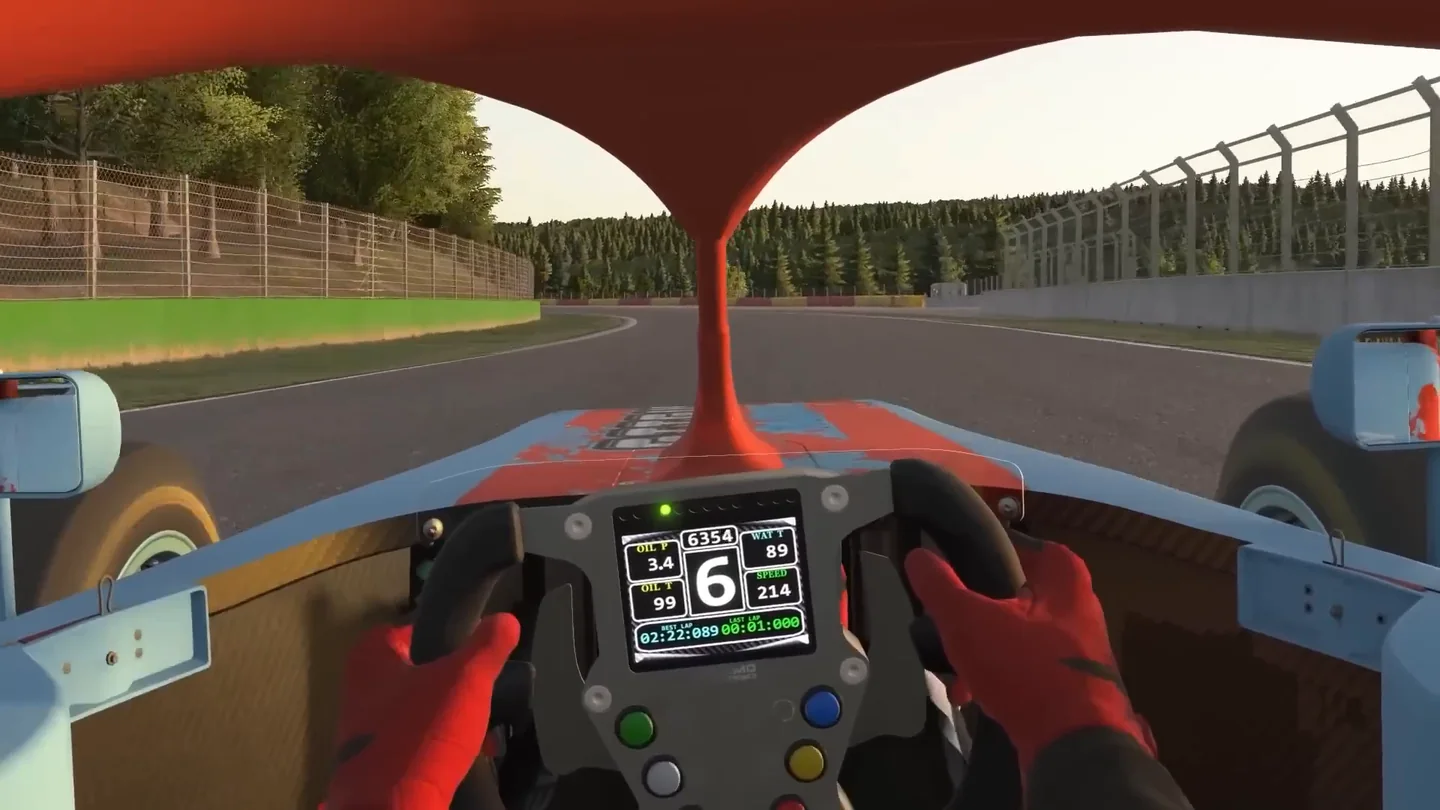
Confidence and Competition: Stop Playing It Safe
If you avoid close racing, you will never develop real confidence. I see this pattern constantly: starting from the pit lane to skip turn one, hanging at the back to build safety rating, playing it safe every race. I understand the temptation. But when are you actually going to learn?
Every side-by-side moment is a moment of practice. Every messy turn-one start is a rep. On the short run, avoiding contact looks smart. In the long run, you'll eventually arrive at a place where your side-by-side battles are the weakest part of your driving — and you'll have to build that skill from scratch anyway. Start with the right habits now.
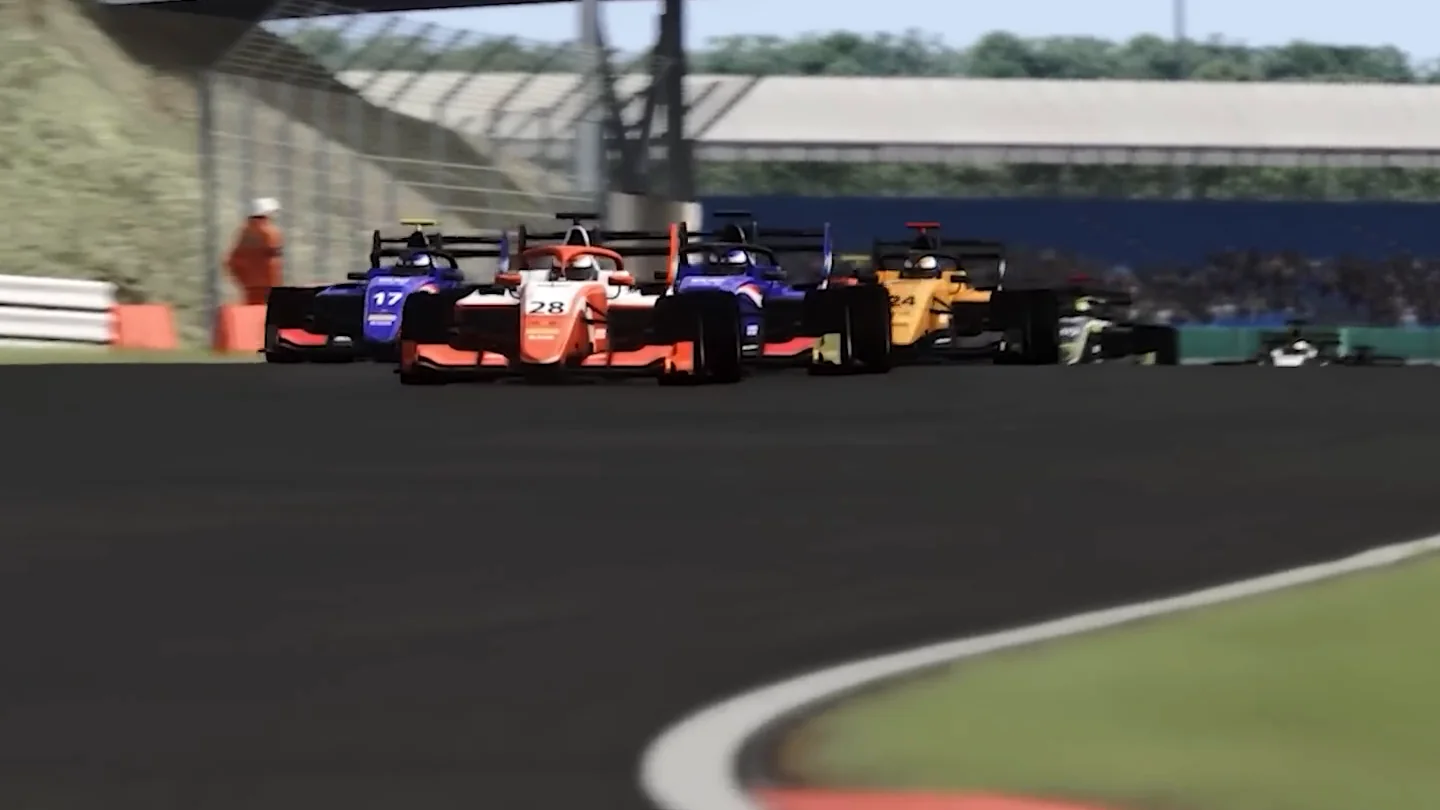
- Race nerves don't go away. You just learn to drive with them. My heart still pounds in the first lap of every race. I've just gotten better at managing it, not suppressing it.
- If you need someone to chase to stay focused, you're not ready to win races. What happens when you're leading and start making mistakes with no one to follow?
- You'll improve faster racing against people who challenge you than against people you know you can beat. Tighter competition creates stronger all-around drivers.
- High iRating doesn't mean alien pace. It often means low risk — someone who minimises mistakes and avoids the big crashes that destroy iRating in one hit. Don't read too much into it.
- If you're not practicing race starts, you're throwing away the first corner of every race. And the three laps after it, usually: most drivers take that long to reach a pace they proved in qualifying. Sim racing race pace is how to stop doing that.
- If you keep losing time in traffic, it's not bad luck — it's positioning. Traffic navigation is a real skill. Multiclass racing is the best way to develop it.
Gear and Coaching: What Helps and What Doesn't
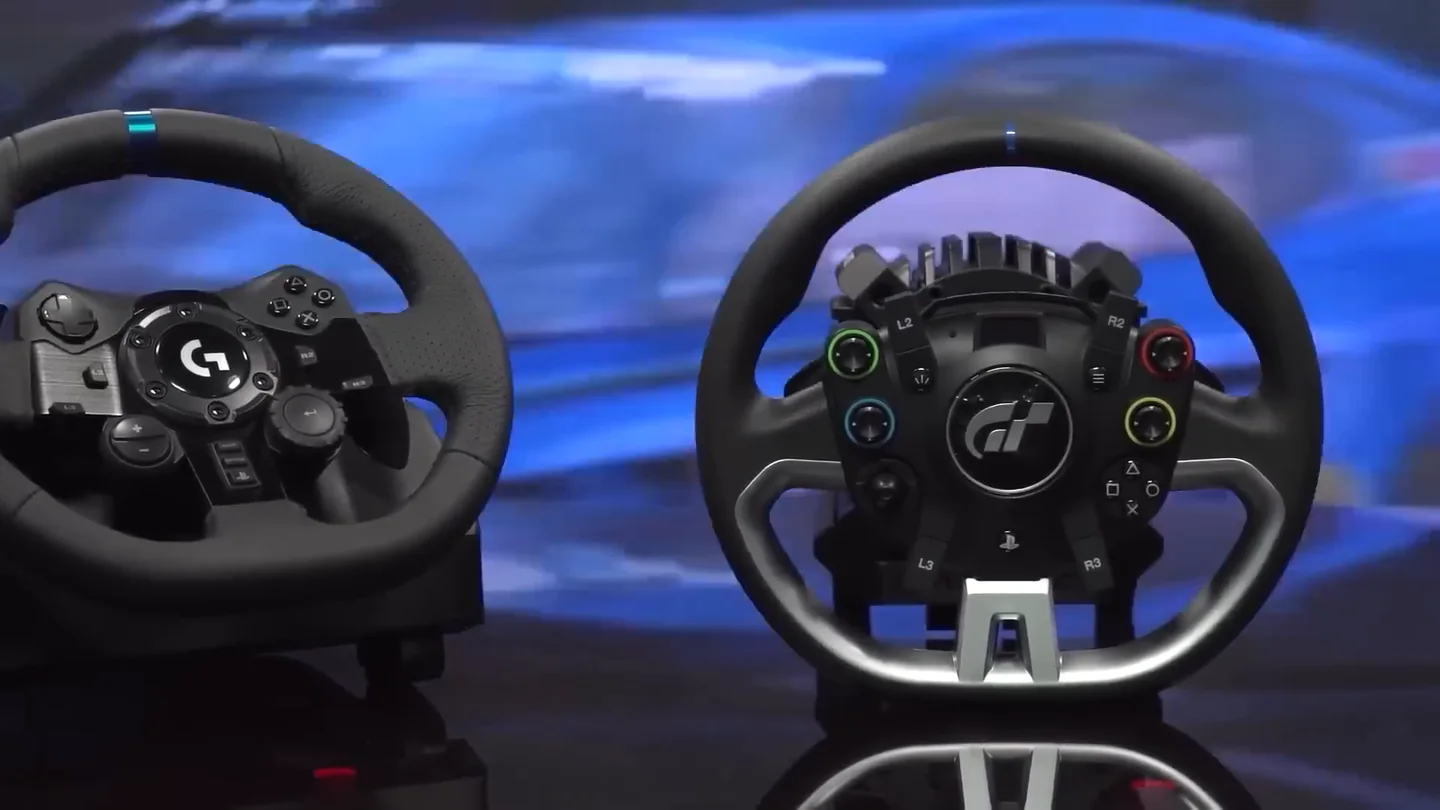
- Good gear won't fix bad technique — but it does help you feel when you're doing it wrong. It's much easier to notice understeer or oversteer with a quality wheel than on a budget entry-level setup. Good gear amplifies the technique you already have. Without technique, expensive hardware just makes your mistakes more expensive.
- You can't develop feel if you're constantly changing cars, setups, and sims. Drivers who swap everything before giving any one thing time to adapt never build a baseline to improve from.
- You don't need to change cars. You need to master one first. After coaching many drivers, this is my honest recommendation every time.
- The best coaching won't just make you faster — it will reveal the path forward. Knowing what to work on next is often more valuable than any immediate gain in lap time.
- The value of coaching multiplies when you come with questions, not just problems. A list of your own questions helps your coach understand how you see the car, the race, the problem — and that context changes everything.
- Every tip your coach gives you has already cost them thousands of laps to learn. If you only apply the advice you already agree with, you're limiting your own results.
Mindset: The Foundation Everything Else Sits On
- Rage quitting teaches your brain that quitting is okay. You're literally training yourself to give up under pressure. That has consequences that go beyond sim racing.
- If your only goal is to win, you're going to hate sim racing 90% of the time. Winning is hard when the competition is real. At the top splits, you will lose more than you win — that's the design. Find meaning in improvement, not just results.
- If you can't adapt to different track conditions, you don't really understand grip. Rain laps and cold-tyre laps are not obstacles — they're the best grip training sessions available.
- If you lose to slower drivers in longer races, they're probably managing better than you. Braking earlier and softer, turning the wheel less, extending their tyres. Playing the long game in a long race is a skill, and most fast drivers underestimate it until it bites them.
- The community you surround yourself with becomes your ceiling. Find people who are focused on actual improvement. Their standards will lift yours.
None of these are comfortable. That's exactly why most drivers file them away and move on to the next race. But if you actually sit with even three of these and decide to work on them, the improvements you'll see in the next 30 days will be more meaningful than anything a setup change or a gear upgrade could give you. You already know which ones apply to you. That's the first step.
Which of them apply depends heavily on how far along you are — several of the truths above only start to bite once you're past the basics. The five stages of sim racing progression sets out where each one lands, if you want to know which are yours yet.
Sim racing tips and improvement FAQ
How do I get faster at sim racing?
Stop chasing setups and new gear, and build a deliberate routine instead. Pick one car and one track, run repeated laps, and learn the theory of grip so you can describe what went wrong each lap. Watch your own replays, including the ones where you caused contact, not only the ones where you got hit. Consistency and honest self-review move your pace far more than tweaking the setup sheet ever will.
Why do I keep getting wrecked in iRacing?
Usually it is not bad luck, it is positioning and defending. If a driver senses you are hesitant and can be pushed off, they will try it, so take the right line early instead of running side by side. Look for the common denominator: if it happens in a different corner with a different driver every race, the pattern points back to your own awareness and decisions. Defend the corners that matter and wait for safer moves.
Does setup or technique matter more in sim racing?
Technique wins by a wide margin. Around 90% of your lap time comes from how you drive, not the setup sheet, so a strong driver on a baseline setup will usually beat a weak driver on a perfect one. Get your braking, throttle, and racing line repeatable first, then use setup to fine-tune the last fraction. Chasing setup changes before your driving is sorted just hides the real problem and slows your progress.
How do I stop rage quitting and stay calm in sim racing?
Treat the mistake, not the emotion, as the signal. Rage quitting trains your brain that giving up under pressure is acceptable, and that habit carries beyond the sim. Race nerves and frustration never fully disappear, so the goal is managing them, not suppressing them. A race is lost in how you respond, not at the moment of the error, so a dropped position is recoverable while overreacting turns two losses into five. Finish the session and review it calmly afterward.
Will a Fanatec CSL DD or Moza R5 make me faster than a Logitech G29?
Better gear will not fix bad technique, but it does help you feel when something is wrong. A direct-drive base like the Fanatec CSL DD or Moza R5 transmits understeer and oversteer more clearly than a gear-driven wheel such as the G29, so you notice mistakes sooner. That feedback amplifies the technique you already have. Without solid fundamentals, the upgrade mostly makes your existing errors more expensive rather than turning you into an alien.
How do I get better at wheel-to-wheel racecraft?
You build racecraft by being in those situations, not avoiding them. Starting from the pit lane, hanging at the back, and dodging turn one feels safe, but you never practice the skill, and it slowly becomes the weakest part of your driving. Treat every side-by-side moment and messy start as a rep. Defend with early positioning rather than aggression, accept that good drivers get passed without taking it personally, and review the battles afterward to learn from them.
This guide is part of the free library at GitGud Racing Academy — an online sim racing academy built around weekly lap reviews, structured courses, drills and training tools.
Train this the right way
Reading is step one. Build it into muscle memory with structured, car-specific courses and personal lap reviews from a coach — inside the Academy.
Join the Academy · $39.99/mo incl. VATWatch the full video on YouTube