
How We Write Our Guides
Where the advice in these guides comes from, how simulator-specific claims get verified, and what happens when we get something wrong.
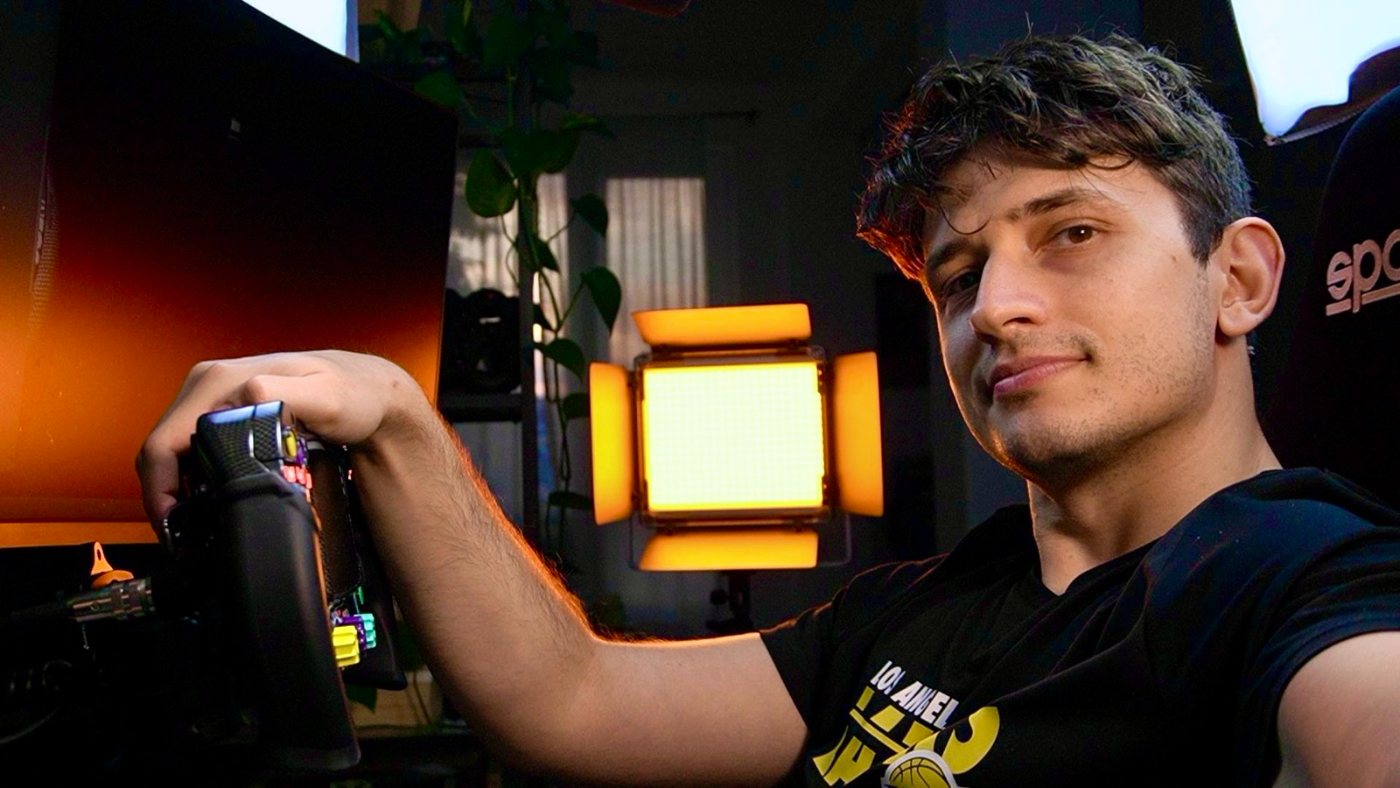
The advice in these guides comes primarily from first-hand driving, testing and coaching experience — not from rewriting what other websites say. The patterns described in them are the ones that show up repeatedly in real drivers' telemetry, onboards and replays — they were arrived at by watching thousands of sim racers drive, then working out what actually changed their lap times.
Marian races primarily in iRacing and has tested Assetto Corsa Competizione, Le Mans Ultimate, Assetto Corsa and Automobilista 2. That background decides what this page has to be clear about: which claims come from experience, which ones get tested first, and which ones turned out to be wrong.
How a guide gets made
Two different kinds of claim, sourced two different ways. The distinction is the whole method.
Not every article starts with a fresh test session, and we are not going to pretend otherwise. What matters is which kind of claim is being made.
Fundamentals
Come from patterns seen hundreds or thousands of times while coaching drivers. These do not need a staged test session — they need a large enough sample of real drivers, which is what coaching provides.
Simulator-specific claims
Get tested before they are made. Anything that could differ between simulators, cars, setups or software versions is verified first, because experience in one simulator is not evidence about another.
If the advice depends on something that could vary by simulator, car, setup or software version, we verify it rather than assuming it.
Where the numbers come from
Telemetry, onboard footage and replays across a very large number of drivers.
What gets described is a recurring pattern across many drivers, not one session staged to support one article. Different sources do different work, and we try not to borrow authority from the wrong one.
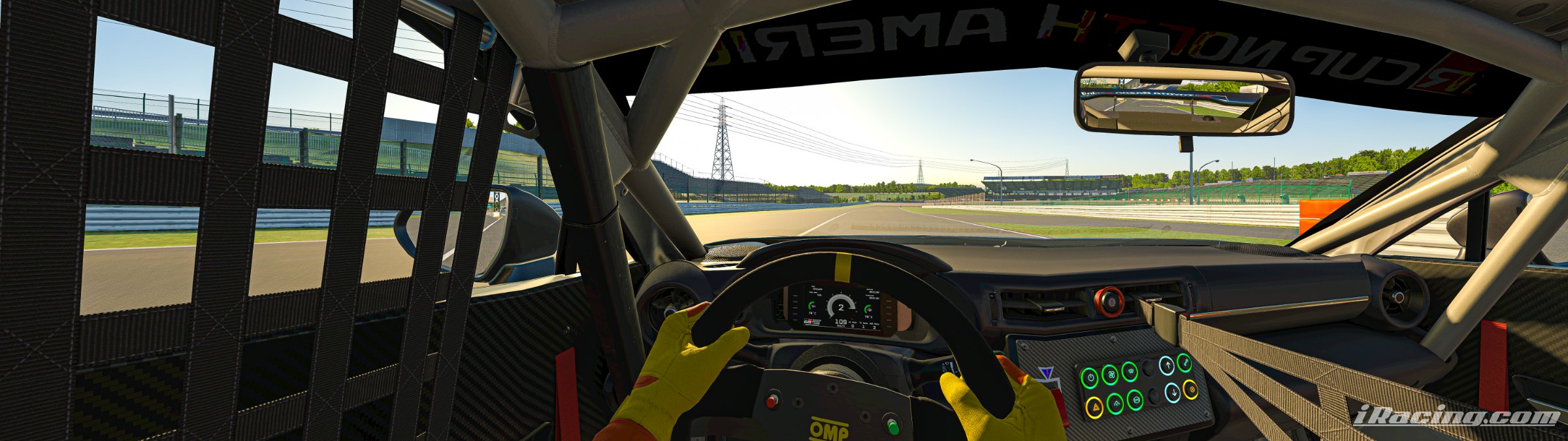
Telemetry does direct work for
- Brake release
- Minimum speed
- Steering input
- Throttle application
- Racing lines
Replay and coaching experience do more for
- Racecraft
- Vision
- Decision-making
- Consistency
We don't add a graph simply to make an article appear more technical.
Setup numbers
Taken from original garage data, never reconstructed from memory, with automated checks catching transcription errors before publishing. If a number can't be verified confidently, it is left out rather than estimated.
Experience can support an explanation; exact numbers require an exact source.
When we get something wrong
I'd rather have a visible correction history than leave incorrect information online because admitting a mistake looks uncomfortable.
Marian Barbieru, founder and lead coach| Rev | Date | Guide | What was wrong | What changed |
|---|---|---|---|---|
| 03 | 2026-08-28 | Sim racing monitor setupCorrected | The triple-screen section said three flat panels span about 122 degrees of vision. That was measured on one rig -- three 32in panels at 60cm -- and written as a bare figure it read as a general fact. Span depends on panel width and seating distance, which is the whole argument the FOV calculator exists to make. | Restated as a ratio rather than an absolute: laying the same three panels flat costs roughly a third of the view they give angled in. The measurement stays first-hand and the page now says which part generalises and which does not. |
| 02 | 2026-08-27 | Triple-screen FOV calculatorCorrected | A second issue was found in the same calculation: it assumed a wraparound angle almost nobody builds, so normal triple rigs were given a field of view far too wide. | The screen angle became an input instead of an assumption, and the second fix is recorded here rather than folded into the first. |
| 01 | 2026-08-13 | Triple-screen FOV calculatorCorrected | The triple-screen rule was applied the wrong way round: iRacing takes the combined span across all three screens, not the per-screen value. | Corrected publicly rather than quietly edited, and the calculation republished. |
Where a correction materially changes what a reader was told to do, that is acknowledged rather than silently edited away. New entries are added here as they happen — a short ledger is not a claim that nothing else will ever be wrong.
When guides get updated
Simulators change. Cars get added, tyre models get revised, physics gets updated, and options move in the UI.
Not all advice ages at the same rate, so not all of it needs the same maintenance.
Can go stale
- A guide describing a specific iRacing setting
- A car's behaviour after a physics or tyre model revision
- Where an option lives in a menu
Less likely to go stale
- Fundamental braking principles
- Weight transfer
- Brake release and rotation
- Steering and throttle fundamentals
- Core racecraft principles
Fundamental driving principles generally change far less than simulator-specific settings, physics behaviour or UI instructions, but we still revise them when our understanding or teaching improves.
Every guide carries a real last-updated date, so this is something you can check rather than something we are asking you to take on trust.
Who checks it
This is not peer review, and we are not going to call it that.
What this is
Marian is responsible for the technical claims in what he writes, and reviews it before publishing. Where a subject sits strongly in another coach's expertise, that coach is asked, or checks the relevant part.
What this isn't
Not every article passes a committee. There is no editorial board, no external review panel, and no second signature required before a guide goes out.
The person putting their name on the guide should understand and be able to defend the advice in it.

66 guides, written this way.
If any of them tells you something you can't reproduce, say so — that is how entries end up in the ledger above.
Read the guides