How to Increase iRating: What the Number Is Actually Scoring
If your iRating has stopped moving, the most useful thing to understand is that it was never scoring your lap time. It scores where you finished against where the system expected you to finish, given the strength of the field you were put in. Pace is an input to that. It is not the number.
Which means the rating can sit flat for weeks while you genuinely get faster, and it means some of the ways people try to move it do not work at all. This is what the number is actually reading, and what changes it.
How to increase iRating: beat the expected finish, not the clock
Every time you start a race, the system already has an expectation of roughly where you should end up, based on your rating relative to everyone else on the grid. Finish above that expectation and you gain. Finish below it and you lose. That is the entire mechanism, and almost everything confusing about iRating falls out of it.
The immediate consequence is the one most people never quite absorb: your result is only meaningful relative to who you raced. A P8 can be a good day or a bad one, and the finishing position alone does not tell you which.
The two inputs the system reads
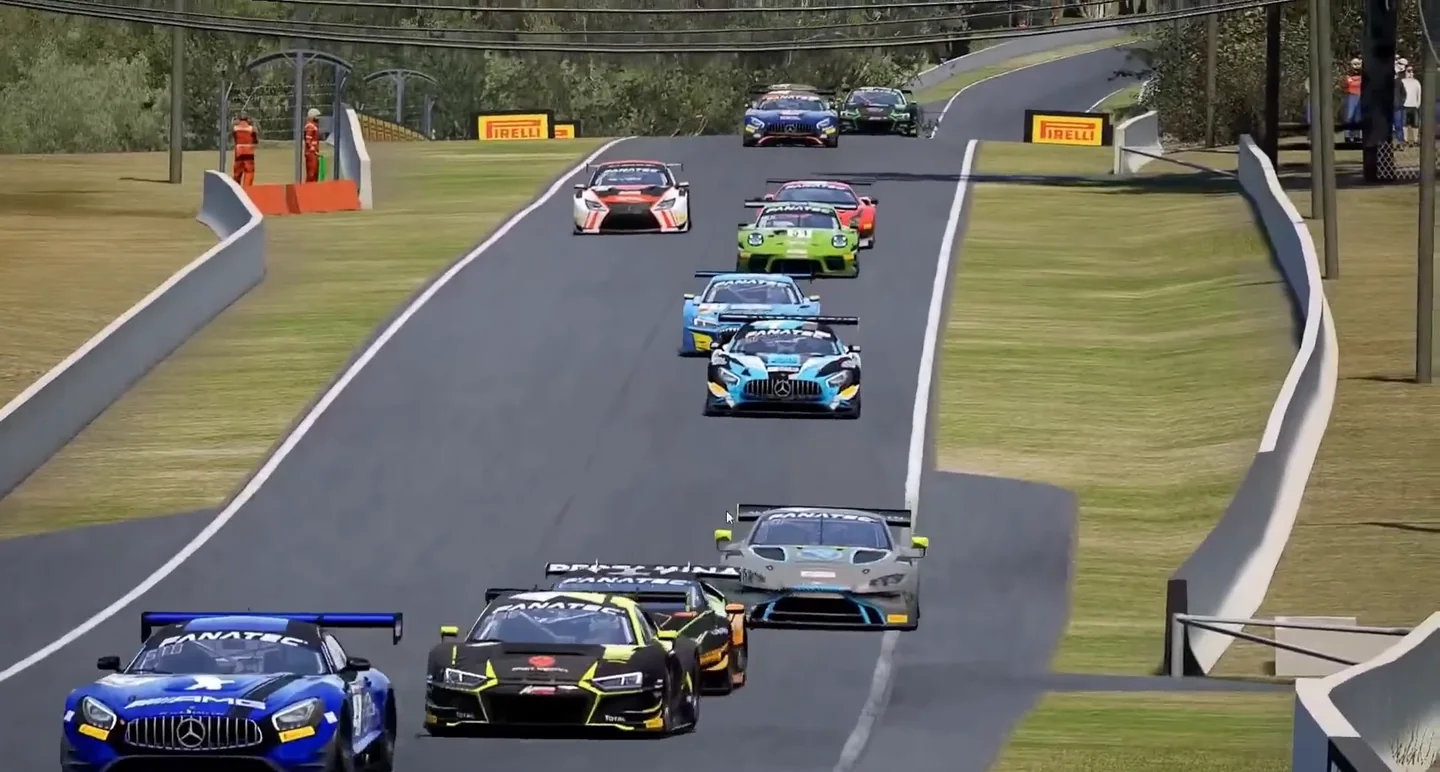
Where you finished, and who you beat to finish there. That is it.
Not your lap time. Not whether you drove well. Not whether the car was difficult, or the weather changed, or you were on used tyres. If two drivers finish P6 in the same race, they get the same treatment regardless of how differently they arrived there.
So when you go looking for why the number is not moving, the honest first question is not "am I fast enough" — it is "am I finishing above or below what my rating says I should".
Why a clean race can cost you points and a scrappy one can pay
This is where the system feels unfair and is simply doing what it says.
Drive a tidy, error-free race in a field well below your rating, finish where you were expected to finish, and you can walk away with very little. Have a messy race in a strong field, recover to a finish nobody expected, and you can gain a lot. The quality of the driving is not being assessed. The result against the expectation is.
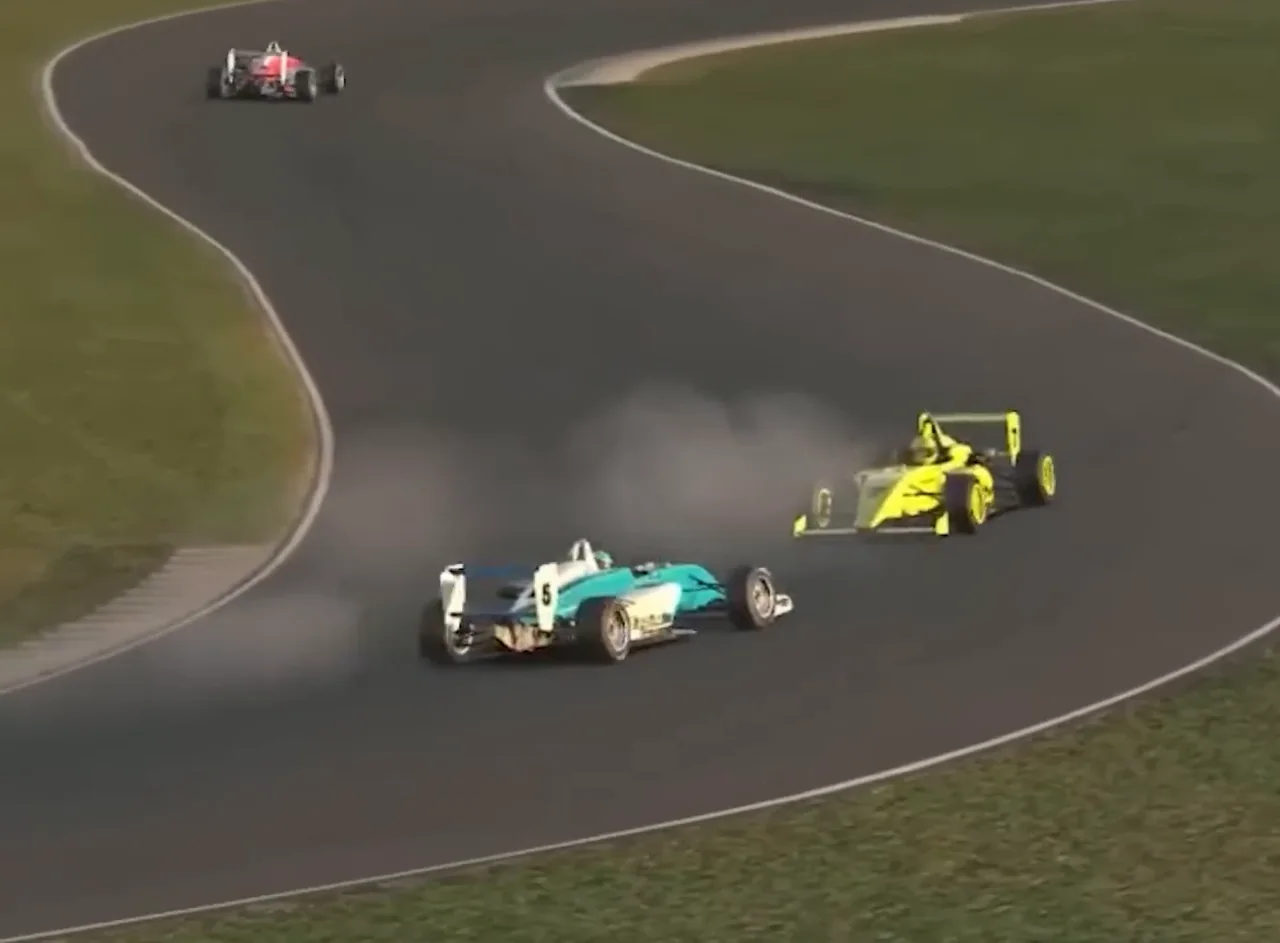
Incidents matter here, but indirectly — they cost you positions, and the lost positions cost you rating. Contact is a finishing-position event, not a rating event in its own right. If your problem is that races keep ending in contact, that is a racecraft issue with a rating symptom, and it is worth fixing on its own terms rather than as a points exercise.
What 2K, 3K and 4K actually tell you
Less than people think, and something quite specific.
iRating is a matchmaking number before it is a rank. Its job is to put you in a race with drivers of similar pace and judgement so the racing is close. A higher number means you are being matched into stronger fields, which mostly means the racing gets harder, not that you have unlocked a tier.
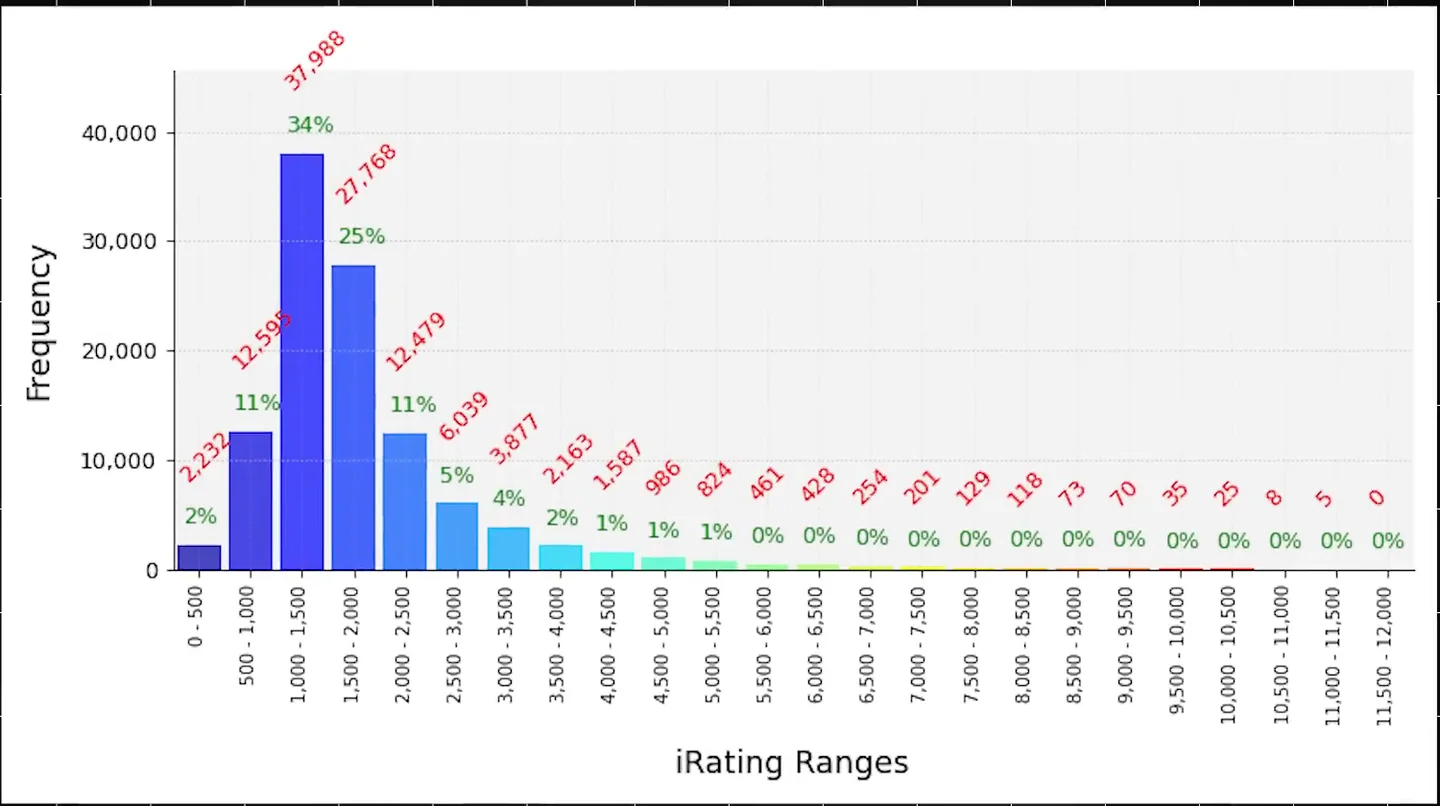
That reframing matters for a practical reason. Treated as a rank, a flat rating feels like failure. Treated as matchmaking, a flat rating means you have found the level where you are currently competitive — and the way out is to become competitive in a stronger field, which is a slower and less linear process than the early climb was.
Why "just finish it" stops paying
Early on, the single most effective thing you can do is finish races without throwing them away. Avoid the first-lap pile-up, do not spin, bring it home. That alone moves the number, because a lot of the field is not managing it.
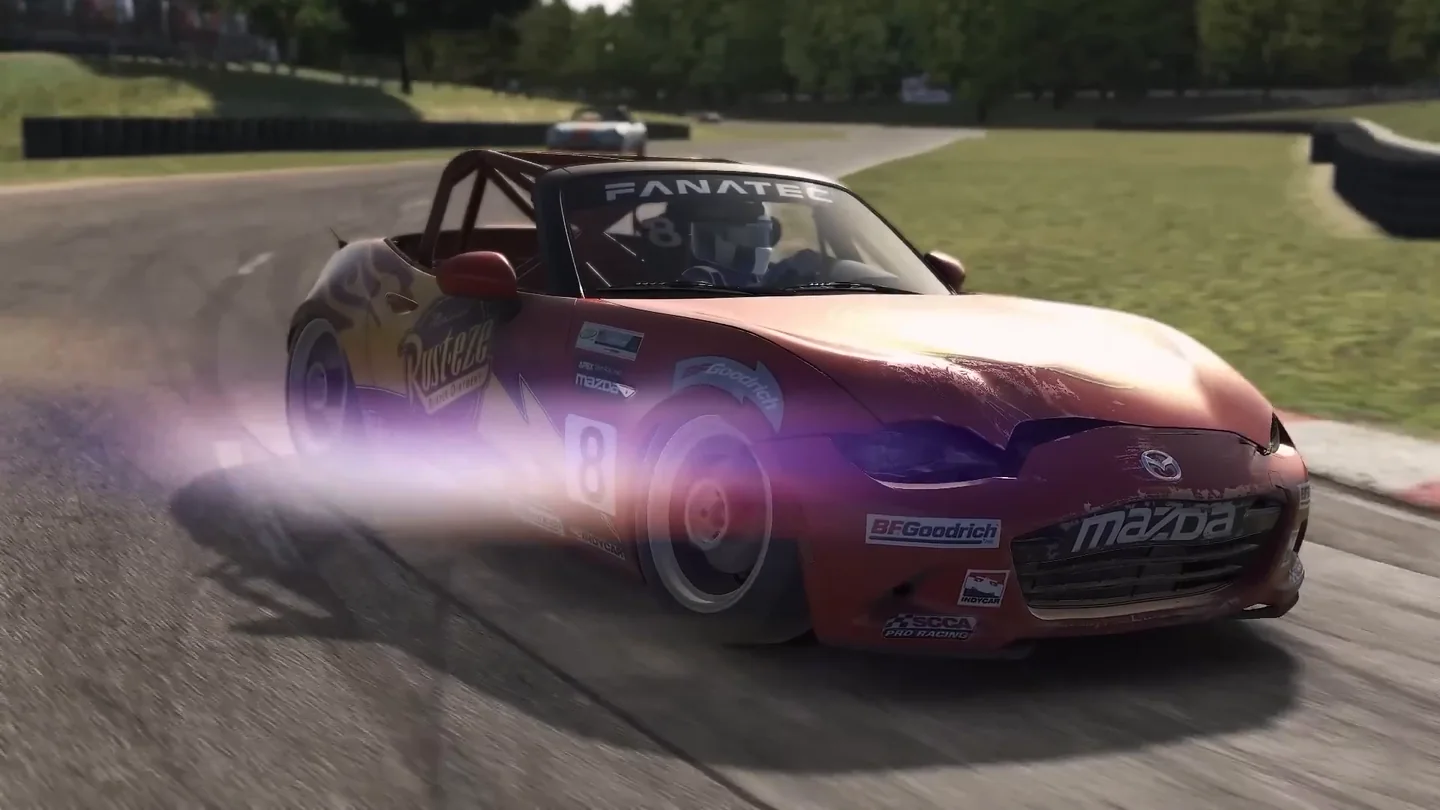
That effect decays. As your rating rises, you are matched against drivers who also finish reliably, so simply completing the race stops distinguishing you — the thing that was worth a lot of points becomes the baseline everyone meets. If finishing cleanly used to be your edge and the number has stalled, this is usually why: the edge did not disappear, everybody else caught up to it.
A rating plateau is not a pace plateau
These get treated as the same thing and they are not, and separating them is the most useful diagnostic on this page.
You can be getting genuinely faster — better braking, better consistency, better racecraft — while the rating stays flat, because the rating is not measuring pace. It is measuring your result against a bar that moves up as you do.
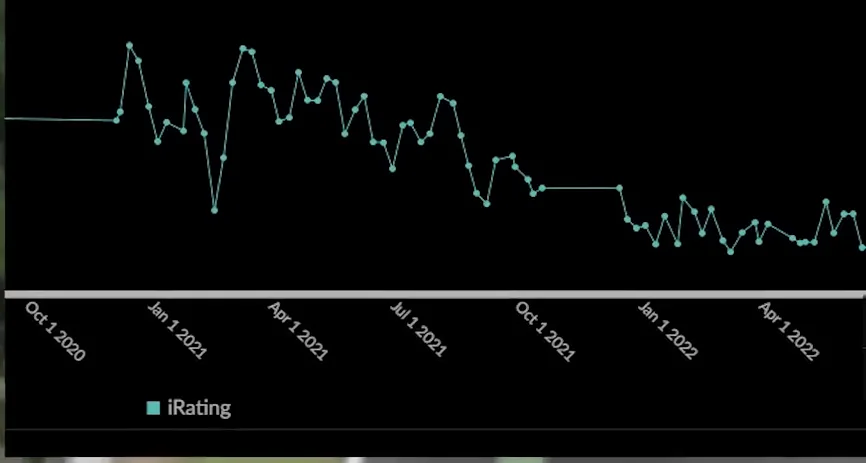
So the question "why has my iRating stopped going up" has at least three answers that have nothing to do with your driving, and it is worth ruling them out before concluding you have stopped improving.
Promotion resets your baseline, and the reset is invisible
The first one. When your rating rises enough to put you in a stronger split, the expectation attached to you rises with it. You are now the slower half of a quicker field, and results that used to gain points now break even.
Nothing about you got worse. The measuring stick moved, and the graph does not label the moment it happened. From the inside, a promotion looks exactly like a plateau.
A rising expected finish absorbs a real improvement
The second. If you improve and your expected finish rises by the same amount, you finish where you are now expected to finish and gain nothing.
This is the cruellest version, because you are improving and the number is honestly reporting that you are meeting your new expectation. Real progress, correctly scored, zero movement. It resolves eventually — you have to out-improve the expectation, not just meet it — but it can absorb weeks of genuine work first.
How much of last month was variance?
The third, and the one nobody checks. Individual races swing your rating around far more than your underlying ability moves in a month. A bad first lap, a safety car at the wrong moment, one race where the field was unusually strong — each of those moves the number more than a real improvement in your driving does.
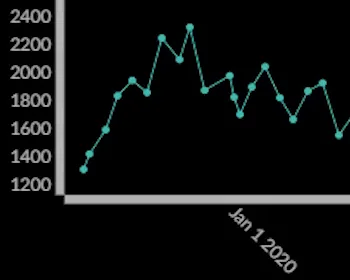
Which means a flat month can easily be a real gain hidden underneath noise. Look at your last twenty races: compare the size of the individual swings to the net change across all of them. If the swings are much larger than the net, you cannot conclude anything about your driving from that net — the sample is too small and too noisy to say.
The same wall, one tier higher
Here is the part that explains why this keeps happening rather than happening once.
Early on, the mistakes costing you races are enormous and obvious. You spin. You get the braking point badly wrong. You dive into a gap that was never there. You do not know the track. Fix any one of those and the improvement is immediate and large.
Higher up, the mistakes are still there — they are just small enough to be invisible from inside the car. A braking point half a metre late. Throttle picked up fractionally too aggressively on exit. Two tenths lost in the same corner every single lap. These are not things you notice on your own, because from the driver's seat they feel like a normal lap.
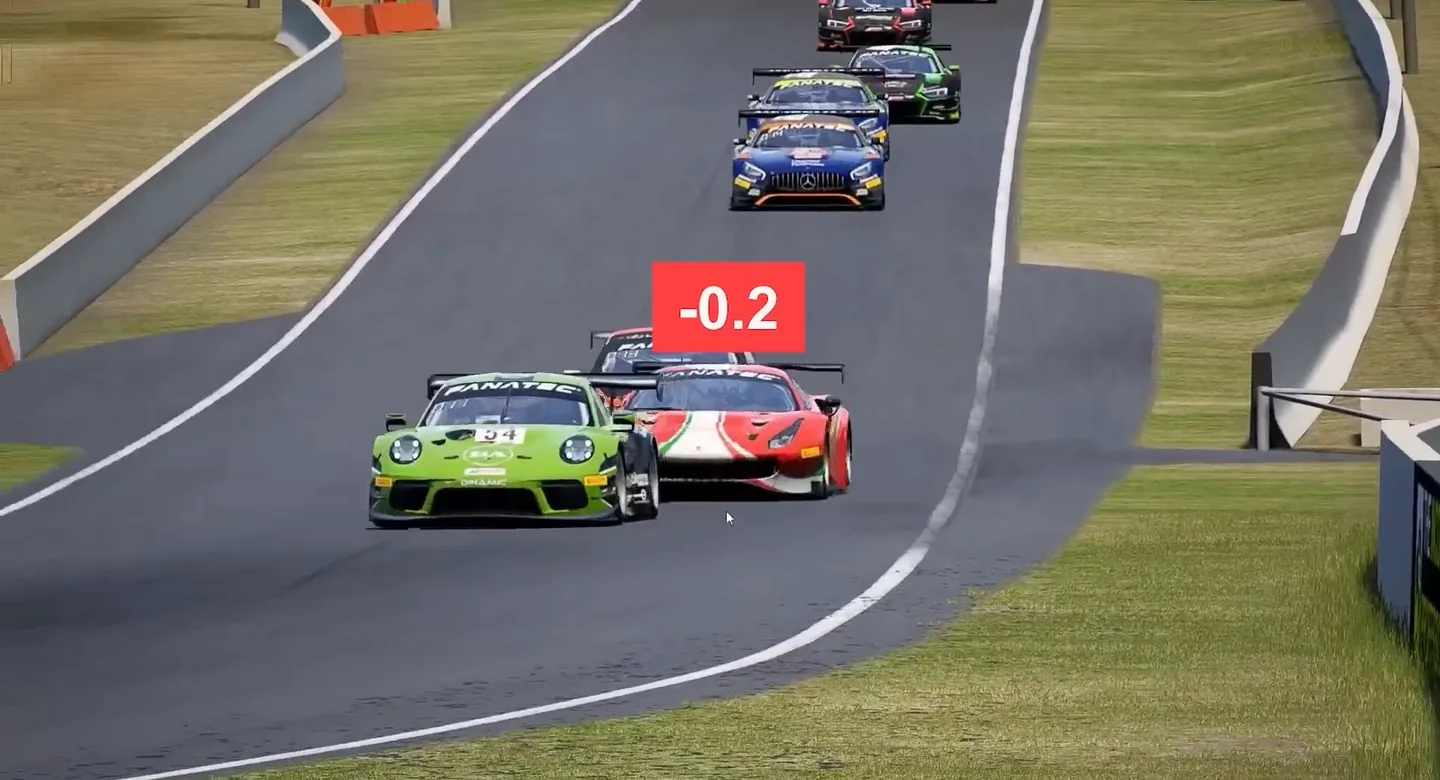
So the better you get, the harder your own mistakes become to see. That is the real trap, and it is why the climb feels like it should be getting easier and gets harder instead. This is usually where the Dunning-Kruger effect gets invoked, and it is a fair enough shorthand for the pattern — though the popular version of the curve, with its named peaks and valleys, is internet folklore rather than anything in the original research. The useful part is not the diagram. It is the recursion: every promotion puts you back at the bottom of a new competence you cannot yet assess, so the cycle re-runs at every level rather than being something you clear once.
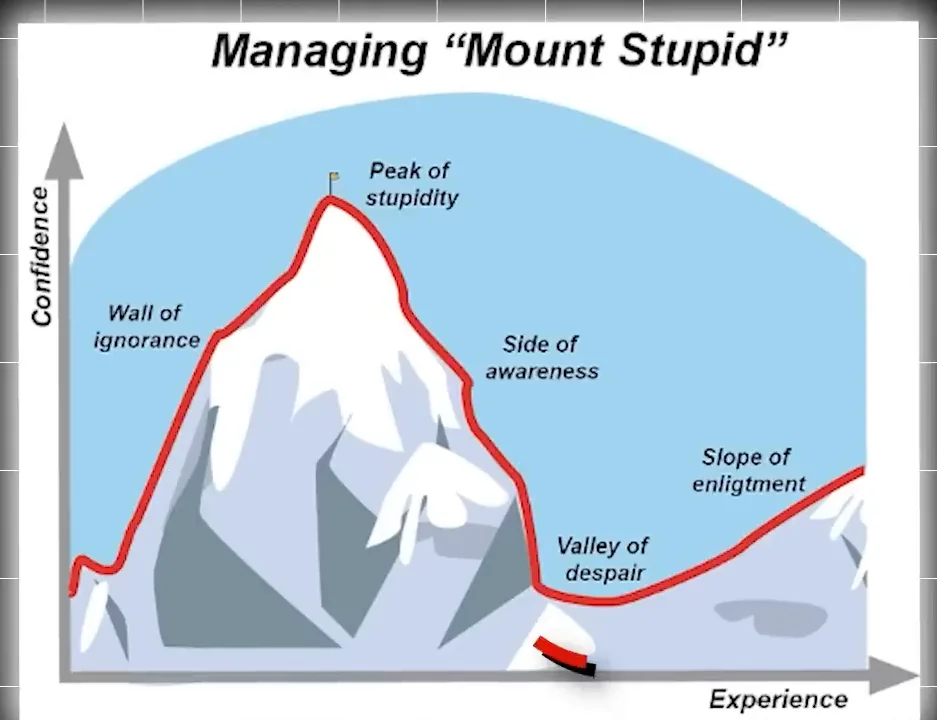
And it is why three particular reactions are so common when the number stops moving:
- Blaming the racing. "That guy dive-bombed me, it's just him."
- Protecting the ego. "I'm already quick, it's bad luck holding me back."
- Avoiding feedback. "I don't need coaching, I know what I'm doing."
All three are comfortable, and all three keep the invisible mistakes invisible.
Why more laps stop working
One thing worth saying plainly, because it is the default response to a plateau: laps do not automatically produce improvement. If you repeat the same braking error for five hundred laps, you have not practised — you have rehearsed the error until it is automatic. Volume only helps once you know what you are working on, which is a different guide entirely: how to get better at sim racing covers what structured practice actually looks like.
What to measure while the number is flat
If the rating is a noisy, lagging indicator — and it is — then judging a month of work by it is a bad idea. Measure the things that move first:
- Your average finish relative to field strength, not your finishing position on its own.
- Points per race across a run of races, rather than the rating total.
- Incidents per race, which is usually the fastest of these to respond.
- Lap-time spread within a race — the gap between your best lap and your typical one.
- Whether you are holding your own in splits that used to be difficult.
Those improve before the rating does, because the rating has to wait for enough races to distinguish a real change from noise. If the spread of your lap times is the thing that will not settle, why your lap times are inconsistent is a better place to start than another race.
Does qualifying change the maths?
Not directly — the rating responds to where you finish, not where you start. But qualifying changes the race you are about to have, and that changes the finish.
Start further up and you have fewer cars around you, fewer first-lap incidents to survive and fewer battles to lose time in. That is a real effect on your result, and therefore a real effect on your rating, arriving entirely through the finishing position rather than through any qualifying bonus. If qualifying is where you lose ground, the qualifying guide covers the out lap, which is where most of that time actually goes.
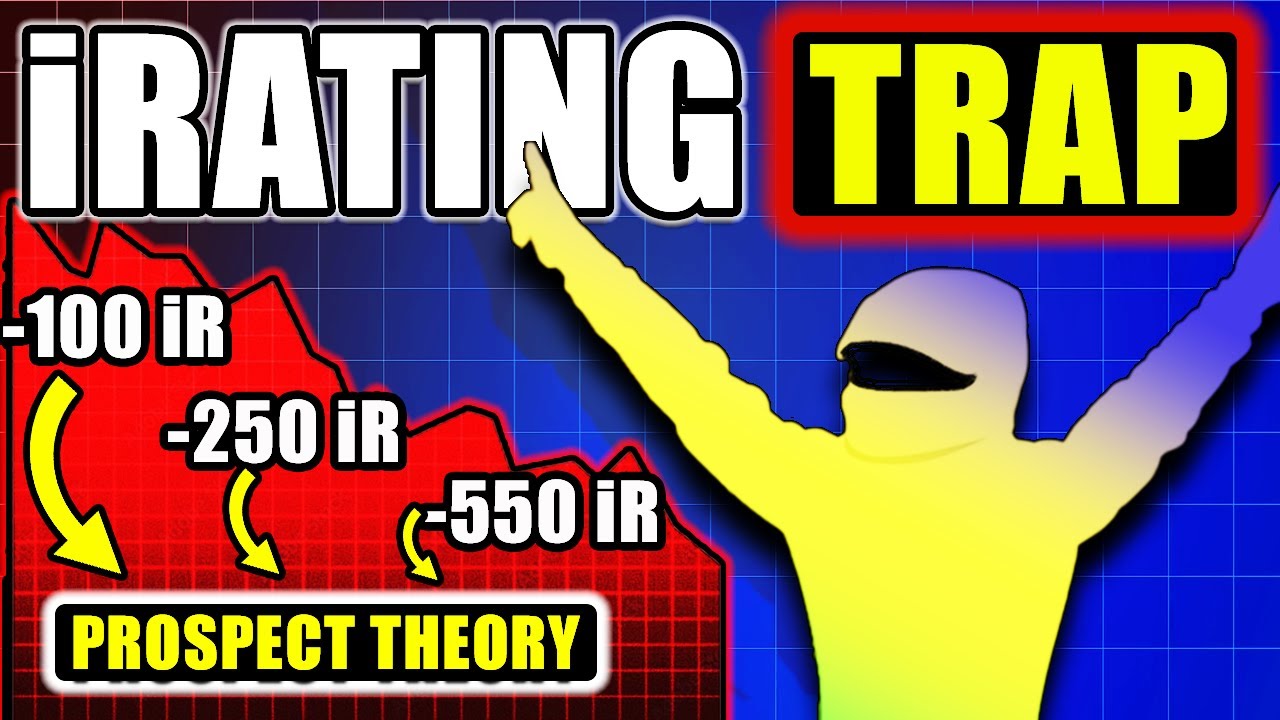
One cause sits outside all of this, because it is not about the scoring at all. If you find yourself making moves you would normally reject specifically because you are trying to win back what you lost, the number is no longer measuring your driving — it is shaping it. The iRating trap covers why that happens and how to break the cycle.
Which number is actually stuck?
Before you change anything, work out which of these you are looking at, because they need different responses:
- Pace is flat. You are not getting quicker. That is a driving problem — how to be faster in iRacing is the place to go.
- Pace is improving, rating is flat. Almost certainly one of the three arithmetic reasons above. Keep going and check again in twenty races.
- Pace is fine, results are not. Racecraft and incidents, not speed.
- You are quick in places and slow in others. Usually one repeating habit rather than several corner-specific faults — five braking mistakes a coach spotted in one lap shows what that looks like.
- You cannot tell which. That is the real problem, and it is the one worth solving first.
That last case is the common one, and it is the whole reason the climb stalls: the mistakes at your level are too small to feel and too consistent to spot alone. If you would rather not guess, that is what the GitGud Racing Academy exists for — send one lap and a coach tells you which of these you are actually dealing with, and what to work on first.
And if the broader question is not really about the number but about where you are in the climb, the five stages of sim racing progression maps that out without reference to any rating at all.
The rating follows pace and consistency, and neither of those arrives from entering more races. Both are taught rather than accumulated — the courses run from car control through to GT3 and Formula, and the cars underneath them.
iRating FAQ
How do you increase iRating in iRacing?
By finishing above the result the system expected of you, given the strength of the field you were placed in. iRating compares where you finished to where a driver of your rating should have finished against those particular opponents, so beating stronger drivers pays and losing to weaker ones costs, regardless of lap time. Pace helps because it produces better finishes, but the number itself is scoring the result relative to the field, not the stopwatch.
Why is my iRating not going up even though I am getting faster?
There are three ordinary reasons that have nothing to do with your driving. A promotion into a stronger split raises the expectation attached to you, so results that used to gain points now break even. A genuine improvement can be matched by a rising expected finish, meaning you meet the new bar and gain nothing. And single races swing the number far more than a month of real progress does, so a flat month is often a real gain buried in noise.
Does finishing every race increase your iRating?
Early on, yes, and it is the single most effective thing a new driver can do, because a large part of a rookie field does not finish cleanly. That effect decays as you climb. Higher up you are matched against drivers who also finish reliably, so simply completing the race stops distinguishing you and becomes the baseline everyone meets. If finishing cleanly used to be your edge and the number has stalled, this is usually why.
Why did I lose iRating in a race I drove cleanly?
Because the system scores your finishing position against expectation, not the quality of your driving. A tidy, error-free race in a field below your rating that ends exactly where you were expected to finish can be worth almost nothing, and finishing below expectation costs points however well you drove. Incidents matter here only indirectly: they cost you positions, and the lost positions cost you rating.
How many races does it take to see a real iRating change?
More than most people wait. Individual races move the number more than a genuine month of improvement does, so a handful of results tells you almost nothing. Look at roughly twenty races and compare the size of the individual swings to the net change across all of them; if the swings dwarf the net, the sample is too noisy to conclude anything about your driving from it.
Does qualifying affect your iRating?
Not directly, because the rating responds to where you finish rather than where you start. It matters indirectly and quite a lot: a better grid slot means fewer cars around you, fewer first-lap incidents to survive and fewer battles to lose time in, all of which improve your finishing position. The gain arrives entirely through the result, not through any qualifying bonus.
This guide is part of the free library at GitGud Racing Academy — an online sim racing academy built around weekly lap reviews, structured courses, drills and training tools.
Train this the right way
Reading is step one. Build it into muscle memory with structured, car-specific courses and personal lap reviews from a coach — inside the Academy.
Join the Academy · $39.99/mo incl. VATWatch the full video on YouTube