6 Sim Racing Mistakes a Coach Spotted in One Lap
Most driving mistakes are not decisions. They are corrections — reasonable responses to something the car appeared to be doing. That is what made this coaching session worth writing up: a student who had come across from open-wheel cars, six faults in a single lap, and a coach who kept refusing to fix any of them at the point where they appeared.
The thread running through it is a sensation. The car felt slow at a particular moment in the corner, and almost everything the driver did afterwards was a sincere attempt to fix that feeling. You cannot correct an input that is being driven by a false reading of the car. You have to change what the car is doing until the reading changes.
Two notes before the list. This is a different student and a different session from the one behind our five braking mistakes page, and where the two overlap this page defers to that one. And these six are what one lap contained — not a general account of why laps are slow. The general account, with the skills in the order they depend on each other, is the twelve driving techniques.
Mistake 1: leaving track unused, in the corners that matter most
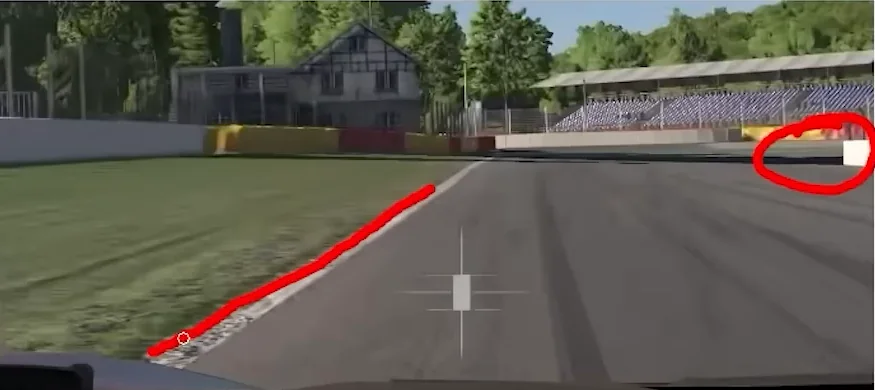
The first fault had nothing to do with pedals. In several corners the left tyre sat on the white line where it could have been on the kerb, or on the kerb where it could have been against the grass.
The width you do not use is radius you do not get, and a smaller radius means a slower corner for the same grip. The cost was measured corner by corner on this lap — around half a tenth in one place, and more than a tenth in another, from nothing more than turning in from the top of the kerb rather than from the white line.
Where it hurt most was the corner feeding the longest straight. That is the transferable part: a positioning error before a straight gets multiplied by the length of that straight, which is why the second most important corner on most laps is the one before the longest full-throttle section.
The awkward part is that from the cockpit you cannot see this. The coach's cue was auditory rather than visual — on a correct line you should almost be able to hear the grass without touching it. For a structured way to test it rather than a feeling, the track-limits drill is built for exactly this, and how to use the entire track covers the geometry.
Mistake 2: braking hard, then arguing with it
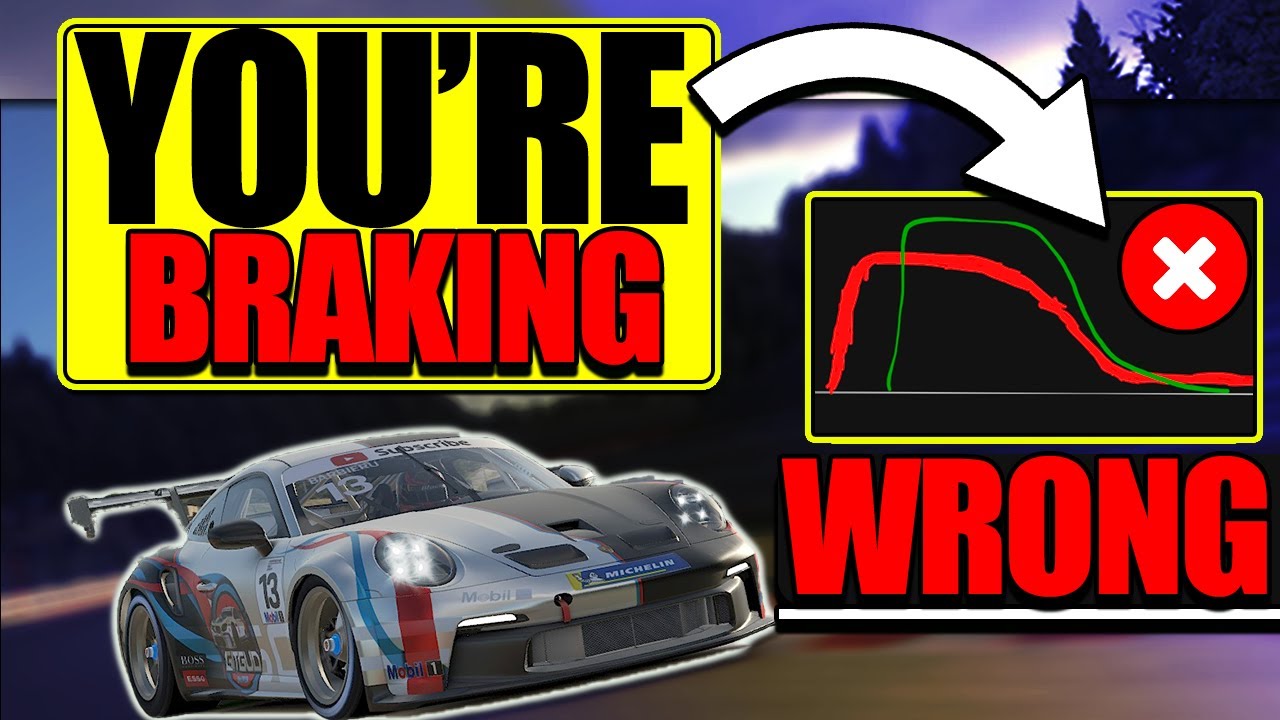
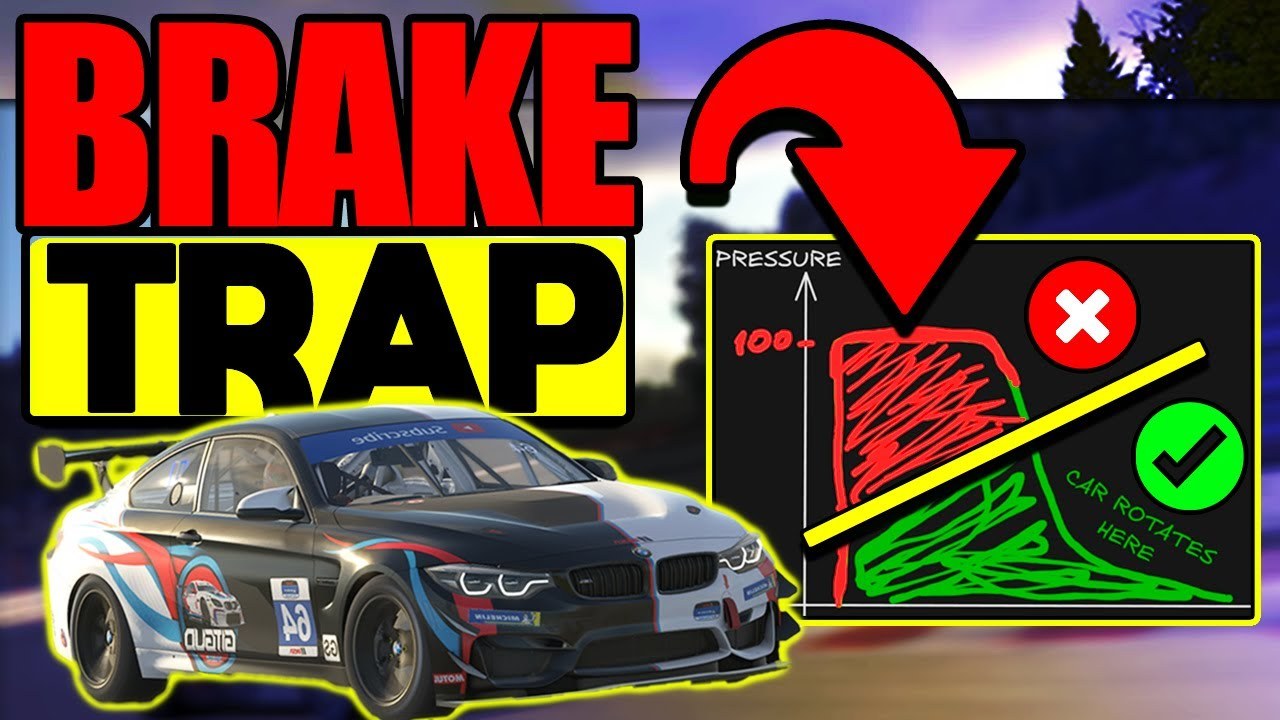
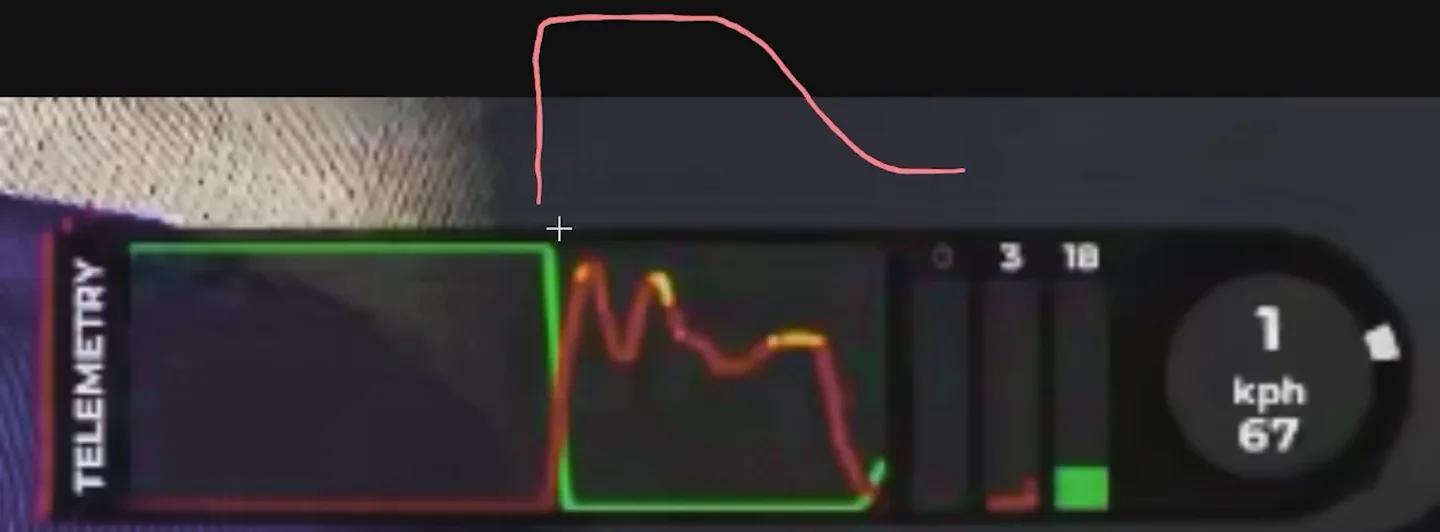
The brake trace showed three corrections inside one braking zone — too much initial pressure, a release, pressure again. The coach's word for it was dancing.
This one is covered in full elsewhere, including where the line sits between a correction and normal modulation, so it gets one paragraph here rather than a section. The short version: small adjustments of a few percent are just driving, and a deliberate re-application to settle a rotating car is a technique. What made these a fault was their size, and that nothing about the corner justified them. Our page on why excessive initial brake pressure slows the corner has the telemetry, the threshold and the diagnostic question to ask of your own trace.
It appears here only because of what it caused next.
Mistake 3: throttle before the car has finished rotating
There was five percent of throttle registering well before the apex kerb — and this is where the session became interesting, because the coach did not tell the driver to wait.
The argument he used instead: it does not matter which driver touches the throttle first. It matters who reaches 100% first. A driver who picks it up later and goes to full commitment in one movement beats a driver who touches it early and then spends the exit managing the consequence. Applied before the car has finished turning, throttle removes rotation at the moment the car needed it.
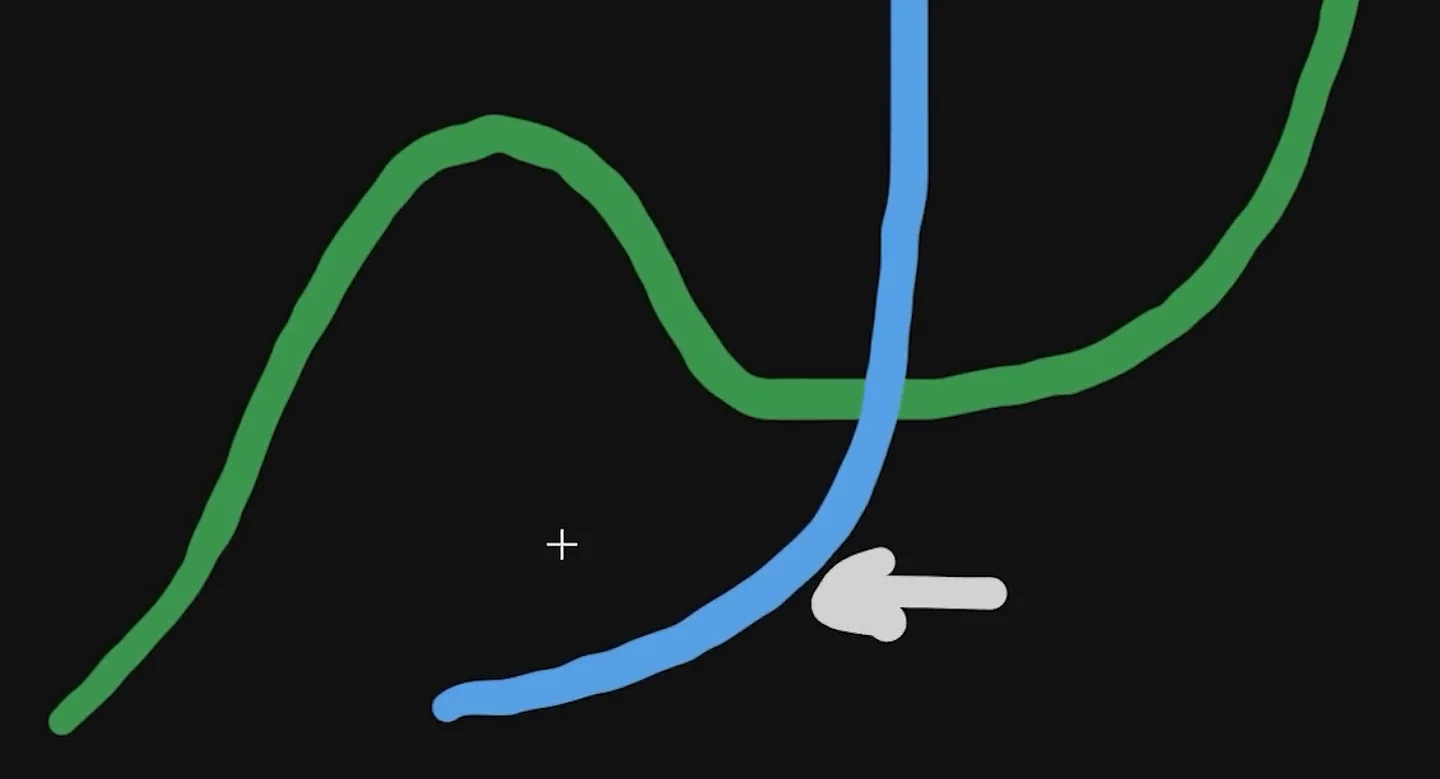
So "too early" means before the car has rotated — never "earlier in time than you currently do". That distinction carries real weight, because plenty of drivers have the opposite fault, where the throttle arrives late precisely because the car never rotated. For them the answer is not more patience but creating the rotation earlier. Which population you belong to is the question; neither instruction is universally right.
One caveat this session did not need but your car might: what the throttle does to a balance depends on which axle drives. In a front-wheel-drive car it can pull you out of a rotation rather than kill it. Test it rather than assuming.
Mistake 4: brake and throttle at the same time
There was measurable overlap in two places — going onto the brake, and coming off it. Both pedals carrying input at once.
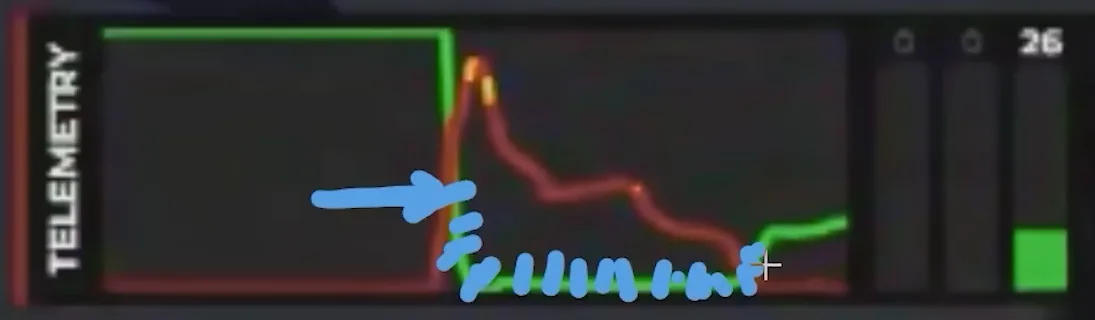
What makes this the most useful section of the session is that the coach refused to assume it was technique. Three candidates went on the table, and only one of them is driving:
- Throttle deadzone. A right foot that tenses under braking can rest enough weight on the throttle to register, without the driver ever deciding to press it.
- Pedal geometry. A throttle pedal sitting slightly too close to the foot makes accidental contact easy.
- The feeling of speed. The same perception behind mistake 3 — if the car feels over-slowed, the foot moves before the brake has finished.
Two of those three are hardware. Before drilling this, rule them out: a pedal position and deadzone check takes minutes and either eliminates two causes or hands you the answer.
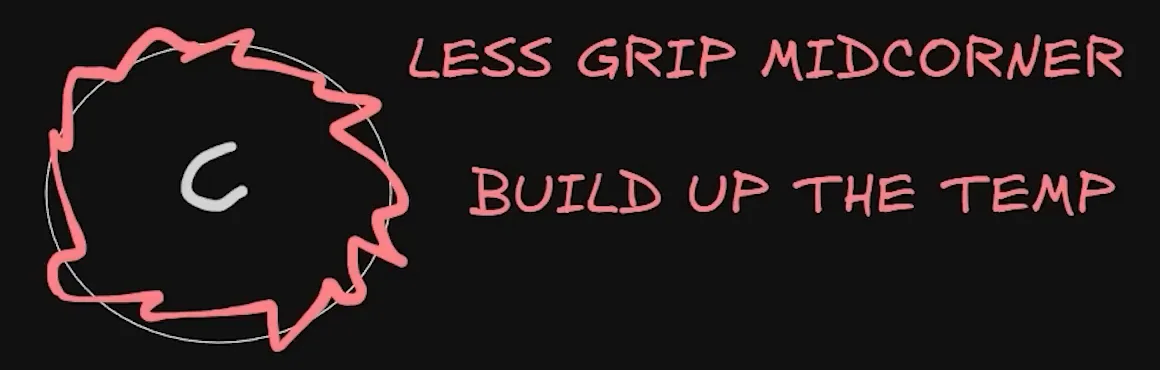
The target set in the session was deliberately modest — not elimination, but roughly ten percent less, on the worse of the two overlaps first. Overlap does cost something at the tyre, because sliding makes heat, but the honest framing is repetition across a stint rather than one ruined corner; surface temperature recovers when you stop feeding it. How excess slip heats the tyre covers what comes back and what does not.
Mistake 5: the staircase throttle
The throttle climbed in steps — up, back down, up further, down again, then full. The shape the coach wanted instead was a slight modulation at the start, for traction control or wheelspin, and then a line that only ever goes up.
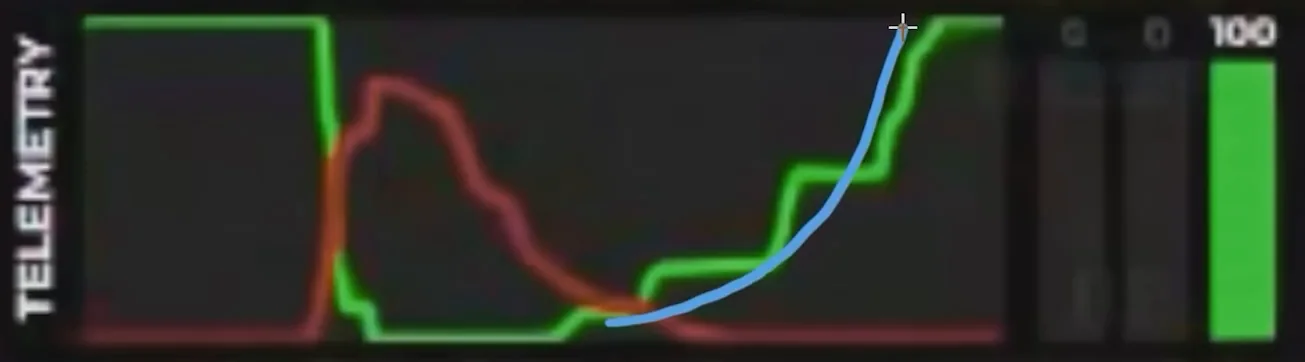
The lesson is not "be smoother", which nobody can act on. It is a diagnostic rule, and it is the most useful sentence in the session:
If you find yourself having to come back out of the throttle, the mistake happened before the throttle.
A staircase is a symptom. It means the corner was entered in a state that made a clean application impossible — too much speed, too little rotation, a line that ran out of road. Smoothing the throttle directly treats the wrong end of it.
There is a second-order danger the coach was explicit about, and it is the reason this matters more in practice than in a race. If you keep completing corners using the staircase, you are teaching yourself that the staircase works — because from inside the car it does. You made the corner. The instruction for practice was to commit to the correct application and accept running wide, then reset and go again, on the grounds that a lap completed badly is still a lap rehearsed. In a race you take what you can get. How to stop reinforcing bad habits goes further into structuring that.
Mistake 6: looking at the wrong part of the corner
The last fault was not an input at all. Through a chicane the driver's eyes were fixed close to the car — roughly the first kerb — and the car went where they were pointed. Early turn-in, early apex, compromised exit, and a throttle application that then had to be managed.
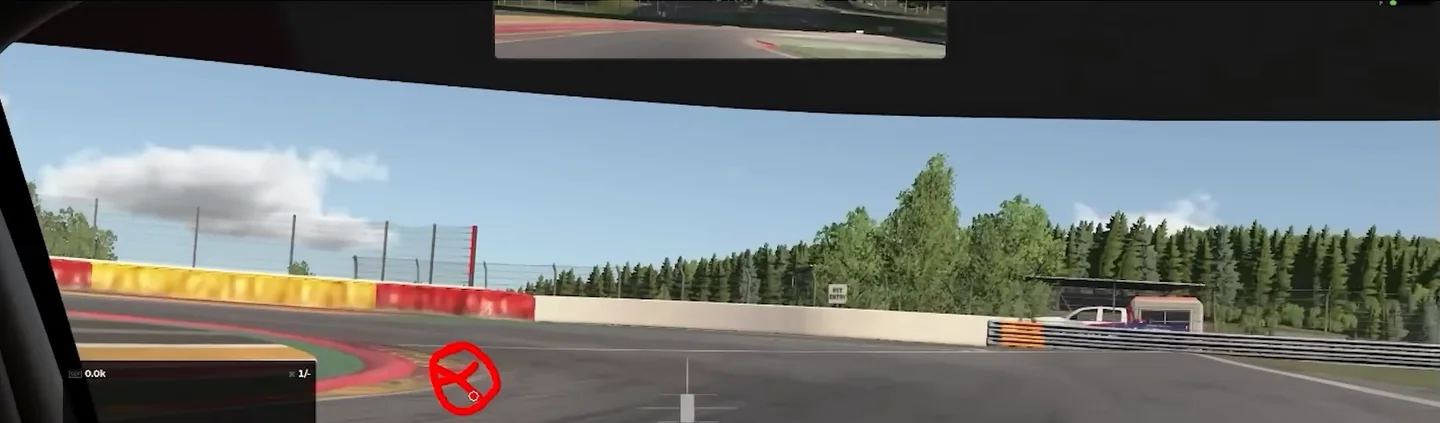
The correction was to fixate deliberately on the late apex, then move the focal point progressively toward the exit as the car arrived, going through the points rather than at them.
Two details make this harder than it sounds, and both are worth knowing before you decide you have already fixed it. In a quick chicane there is very little time to move your eyes at all. And the A-pillar physically blocks the point you want as you approach it, so the look has to happen early or not at all. This is a fault that costs time in exactly the corners where you have the least spare attention available to correct it.
The missing piece: a reference for the throttle
This is the part of the session I had not heard framed this way before, and it is what turns the six items above from observations into something you can act on.
Understanding that early throttle costs rotation does not tell you when to apply it. Neither does understanding the brake. What the driver was missing was a reference — a place on the track where the throttle belongs — and without one, every application is a guess dressed up as feel.
The coach's reasoning for why that reference matters so much: race cars decelerate far better than they accelerate. Arriving slightly slow is cheap; arriving with the throttle applied at the wrong moment is not. In most corners the throttle comes slightly before the apex, but the useful instruction is not that heuristic — it is to go and find the point.
So when you watch a faster lap, whether it is a track guide or a replay, the coach's advice was to stop watching the braking point and start watching where that driver gets on the power. Once you know the throttle belongs at a specific place, the entry stops being a free variable: you adjust your speed and your brake release until you arrive able to use it there. Without that reference you are choosing a braking point and hoping the exit works out. The sequence that removes the hoping — exit first, then straight-line efficiency, then the marker — is how to brake later.
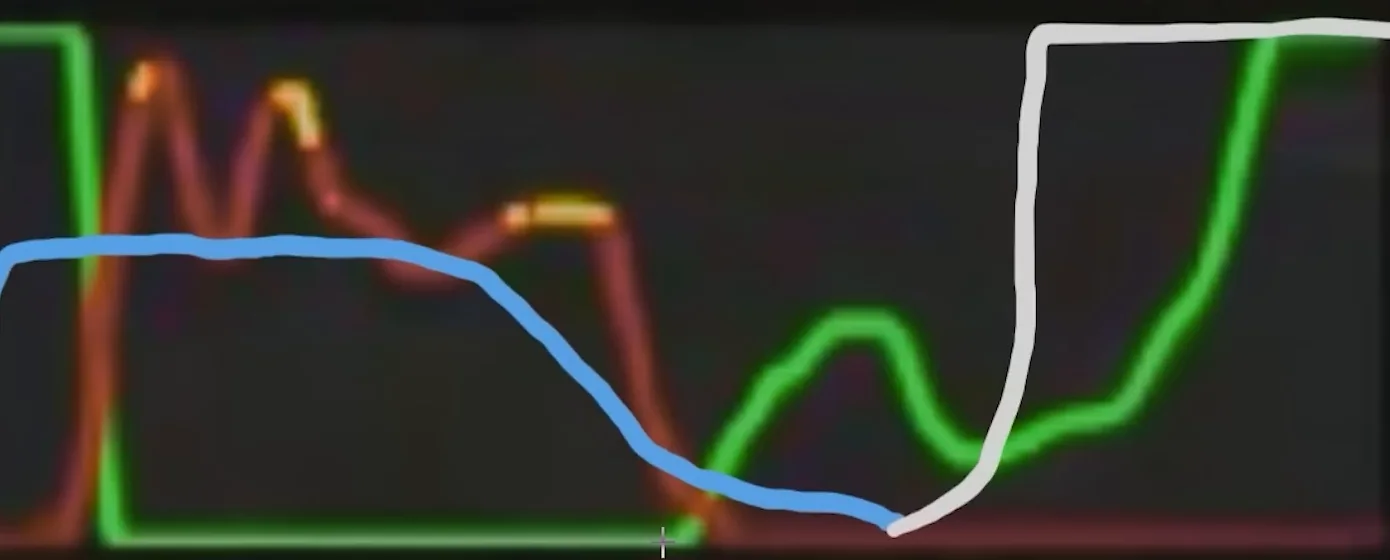
That reframes the whole session. The driver's early throttle was not impatience. It was a guess, made in the absence of a reference, corrected by a sensation that was itself the product of an over-slowed entry.
Why the coach fixed the entry instead of the throttle
Telling this driver to wait longer for the throttle would have failed, and it is worth being precise about why, because the reasoning generalises further than the fix does.
The car genuinely was too slow at that point in the corner. Waiting would have meant sitting in a car that felt wrong, doing nothing, on the promise that it would pay off later — which is an instruction almost nobody follows for more than a session. The perception was accurate. It was the entry that was wrong.
So the change was made upstream: carry more speed in, control it on the release rather than with initial pressure, and let the correct throttle point become the one that feels natural. Fix the sensation by fixing what produces it, and the input corrects itself.
The limit on this, stated plainly: that is what this lap contained. An over-slowed entry can just as easily produce the opposite symptom — a car that will not rotate and a throttle that arrives late — and if that is your lap, this page's chain does not describe you. Mistakes 1 and 6 sat outside the chain entirely; no amount of brake work would have fixed either.
Nothing above is a setup change, which is deliberate. A setup change made on top of an entry you cannot repeat moves the problem rather than solving it. Once the entry is repeatable and the car still resists on the brakes, brake bias is the first adjustment worth reaching for — in that order.
And if the appeal of software that spots these for you is what brought you here, we looked at that separately in whether an AI sim racing coach can actually make you faster. The short version is that naming the difference is the easy half.
Sim racing mistakes FAQ
Should you brake and accelerate at the same time in sim racing?
Generally no, though a small overlap is common enough that it is not worth panicking about — plenty of quick drivers show some. It matters when there is a lot of it, because both pedals fighting each other means the tyre is sliding rather than doing useful work, and repeated every lap that builds heat across a stint. Before assuming it is technique, rule out the two hardware causes: too little throttle deadzone, and a throttle pedal close enough that a foot tensing under braking rests on it. Aim to reduce the worst instance by around ten percent rather than eliminate it outright.
Am I getting on the throttle too early?
The useful test is not clock time, it is the car: throttle is early if it arrives before the car has finished rotating, because it takes rotation away at the moment you still needed it. Judge it by when you reach 100 percent, not by when you first touch the pedal — a driver who picks it up later and commits in one movement beats one who touches it early and manages the exit. Note that many drivers have the opposite fault, where the throttle arrives late because the car never rotated; if that is you, the answer is creating rotation earlier rather than waiting longer.
What does a staircase throttle trace mean?
A throttle that climbs in steps — up, back down, up further, down again — is a symptom rather than a fault in itself. It means the corner was entered in a state that made a clean application impossible: too much speed, too little rotation, or a line that ran out of road. Trying to smooth the throttle directly treats the wrong end of it. The rule worth remembering is that if you have to come back out of the throttle, the mistake happened before the throttle.
Where should you look when cornering in sim racing?
Further ahead than feels natural, and progressively. Fixating close to the car pulls your line toward that point, which produces an early turn-in, an early apex and a compromised exit. Look deliberately at the late apex, then move your focus toward the exit as the car arrives — going through the reference points rather than at them. In quick chicanes this is genuinely difficult, because there is little time to move your eyes and the A-pillar can block the point you want, so the look has to happen early or not at all.
Can pedal position cause brake and throttle overlap?
Yes, and it is worth checking before you treat it as a driving habit. A throttle pedal sitting slightly too close to your foot makes accidental contact easy under braking, and too little throttle deadzone means a tensed right foot registers input you never intended. Both are minutes to test and either eliminates two of the three usual causes or hands you the answer directly. The third cause is perceptual — moving to the throttle early because the car feels over-slowed — and that one is a driving fix.
This guide is part of the free library at GitGud Racing Academy — an online sim racing academy built around weekly lap reviews, structured courses, drills and training tools.
Train this the right way
Reading is step one. Build it into muscle memory with structured, car-specific courses and personal lap reviews from a coach — inside the Academy.
Join the Academy · $39.99/mo incl. VATWatch the full video on YouTube